

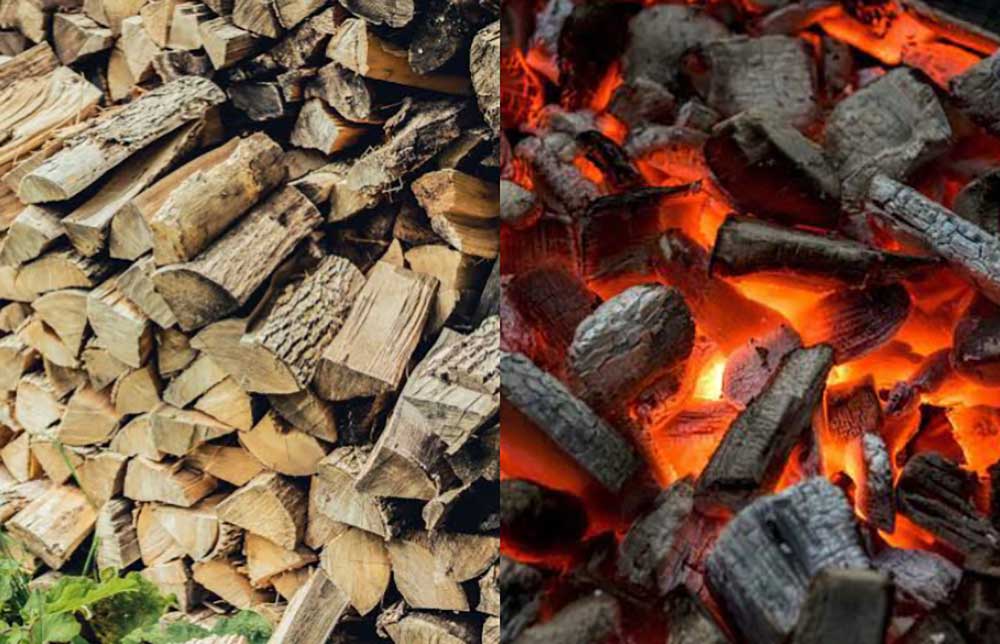
Charcoal and firewood have been humanity’s primary energy sources for centuries—and they continue to play a vital role in today’s energy landscape. In many parts of the world, especially in rural and developing regions, these biomass fuels remain essential for cooking, heating, and even small-scale industrial processes.
Charcoal, produced through the carbonization of wood in low-oxygen environments, offers a cleaner and more energy-dense alternative to raw firewood. It burns hotter, produces less smoke, and is easier to transport and store. Firewood, on the other hand, is often more accessible and cost-effective, especially in forested areas. When harvested sustainably and burned efficiently, both fuels can support energy needs while minimizing environmental impact.